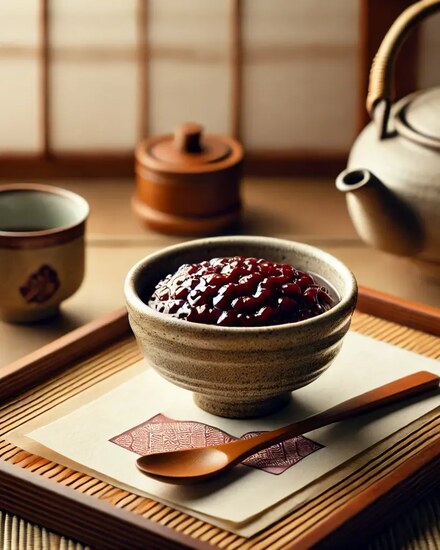
Hello, my lovely readers! We got great interest from my previous posts banana butter mochi and pumpkin butter mochi, so we had to share a recipe that would go so well with these butter mochi—the anko recipe! Sweet and smooth with a little bit of earthy flavor, anko can be served with not only the butter mochi but with many rice cakes and other desserts in East Asian cuisine.
In this post, we will walk you through step-by-step with expert tips and details so you can have homemade sweet bean paste at home. Sometimes it can be not so easy to buy good-quality anko if you live outside of East Asia like us, so we started to make anko at home and developed this recipe and the post. We hope you find this post helpful.
Let’s explore the world of anko, then!
What is Anko?
Also called Ang-geum (앙금) or Pat-so (팥소) in Korean, anko is a sweet bean paste made with beans that is used as the filling of rice cake or bread in East Asian cuisine. So once you learn this recipe, you can learn the most popular filling for a variety of rice cakes and bread in East Asian culture.
You can make anko with different kinds of beans or even other ingredients, such as chestnut, which I will explain more in detail below.
Ingredients for Anko Recipe
Water, azuki beans, sugar, and salt. These four ingredients are the only ingredients to make sweet, wonderful, soft, fresh anko at home! Isn’t it amazing that you can make such a wonderful dessert with simple ingredients like these? The steps to make anko are not difficult either; it just needs some time to rest and cook.
I used dried azuki beans to start with in my recipe.
Variations of Anko
Did you know that there are many kinds of anko? Anko can vary mainly in ingredients and texture.
1. Different Anko Main Ingredients
Anko made with azuki beans is the best-known version of anko, so some people might know anko as sweet azuki bean paste. However, anko in Japanese or angeum in Korean refers to any sweet fillings or toppings usually used in East Asian cuisine. (I’ve seen it in Chinese cuisine too; I just don’t know what it is called in Chinese. 😚 )
Here are some of the other popular anko variations often eaten in Korea.
- Green peas
- White beans
- Mung beans
- Chestnuts
2. Anko Texture
Anko can have different textures, from rough to smooth.

Smooth anko on the left and rough anko on the right.
- Smooth anko (漉し餡): This anko is silky smooth by finely grinding the paste so it becomes purée. Often, the peel of the bean is removed to make it for a smoother texture and milder taste.
- Rough anko (粒あん): Rough anko is made by mashing the cooked beans with peels on.
Expert Tips for Perfert Azuki Anko
1. Soak Azuki Beans for Long

Left: Raw dried azuki beans. Right: Azuki beans that have been soaked for 12 hours.
You can see that the azuki beans have doubled or tripled in size after being soaked for long.
One of the most important steps to making perfect anko is to soak azuki for a long enough time. Dried azuki beans are very hard, and they take a long time to soak up all the water they need. If the azuki beans are not soaked long enough, they will take a very long time to cook with heat in a pot. On top of that, you cannot be sure how long your azuki beans need to be cooked.
2. Cooking Azuki Beans Just Enough
The next important step to the perfect anko is to cook azuki beans just enough. If you cook azuki beans too short, it will be so hard and feel like a rock in your mouth. If you cook it for too long, it will be too mushy and watery without any taste.
When you take azuki beans with your fingers, they should be crushed softly. The texture you are looking for is soft yet still holding the structure.
3. Make Sure to Get Azuki Beans
Sometimes, azuki beans are called “red beans.” But there are red beans, red kidney beans, and azuki beans! They are all different types of beans. Azuki beans have their iconic bitter, earthy taste that cannot be changed with other beans to make the anko. So please make sure to get azuki beans!
4. Anko Might Taste Too Sweet Alone
You might think it is too sweet and salty once you follow this anko recipe and make it. I completely understand because anko alone would taste very sweet and salty. But remember, it is often a filling of something. It should add the sweetness and saltiness to the rice cake or bread. So if it tastes a little too sweet and salty, you are on the right track. 👍
Uses of Anko
You can use anko in a variety of ways.

- Fillings of rice cake
- Fillings of bread
- Fillings of pancakes (Dorayaki in Japan, Bungeo-pang in Korea)
- For cake
💡 Modern usage of Anko
Whipped cream or butter is mixed with anko to decorate a modern version of rice cake or cake.
Commonly Asked Questions
Q. Can you make anko with canned beans?
A. Yes, you could! But you need to make sure to read the ingredient label to see if the can has added salt or sugar inside. Often, canned or pre-cooked beans sold at stores are great in every way (and also have most, if not all, of the nutrients preserved) but could be a little too soft to make the anko. You can make the best anko from dried beans, but using canned beans can make the process quicker.
Make sure to start with only the beans to make the anko, and you can use the residue water to adjust the desired consistency.
Q. Is anko gluten-free?
A. Yes, anko is naturally gluten-free! It has beans, sugar, and salt as the ingredients. What’s more, anko is often eaten with rice cake, which is also naturally gluten-free.
Q. Is anko vegan?
A. Yes, anko is naturally and traditionally vegan! Some modern recipes mix cream or butter with anko to decorate cakes or bread. These should say “anko cream” or “butter anko” to ensure the readers that it is not regular anko.
Anko Recipe | Homemade Sweet Red Bean Paste for Mochi


Azuki Bean Anko
Ingredients
Method
- Prepare azuki beans. Wash them thoroughly a few times and take out any wrong beans.
- Prepare a pot and add the beans to the pot. Pour 3 cups of water of the beans into the pot. Leave them overnight. I recommend soaking the beans in water for 12 hours.
- Next day, remove the water from the pot. Quickly rinse the beans once. This removes the tartness and bitterness of azuki beans.
- Pour about 2 cups of water into the pot. Bring it to a boil.
- Once it starts to boil, turn down the heat and let it simmer for an hour with the lid on. If you see any white bubbles on the surface of the beans, remove them with a spoon.

- Check the beans. If they are soft enough to be crushed gently, add the sugar and salt.

- Boil again for another 20 minutes with the lid open. Stir so the sugar and salt melt. It also helps to cook anko evenly without the bottom getting burned.
- Taste the anko. If it needs to be thicker, cook the anko for longer. If it needs more sweetness, you can add more sugar. If it is too thick, check by adding a tablespoon of water and mixing it. You can repeat the process until you reach the desired state.

- If you like rough anko, you can mash them with a spatula or mash them with a hand mixer until they reach your desired taste. If you like smooth anko, you can put them into the blender and blend until very smooth.

- Cool down anko completely. It should get thicker as it is chilled. Store it in the fridge for up to 3 days, or you can freeze them in the freezer.

- Enjoy!
Summary of Anko Recipe
Sweet, smooth, and nutty, this azuki bean anko is a sweet paste that is so irresistible and used in many desserts in East Asia. It is used in many traditional East Asian recipes, and therefore some people try to make it at home. With just a handful of humble ingredients, you can make fresh, sweet, and delicious anko at home!
I hope you enjoyed this recipe, and if you did, you could also check out my other recipes down below. I will see you again with another delicious post!
Other Recipes You Might Like

Banana Butter Mochi Recipe | Easy Hawaiian Dessert
Try this sweet, soft, chewy butter mochi recipe that is perfect for any celebration! With ripe bananas and coconut cream, it uses less sugar and fat, too. 


Easy Korean Mugwort Rice Cake Recipe | Jeolpyeon with Honey!
Out of many Korean mugwort rice cake recipes, this is the easiest one to follow! Dip it with honey, sesame oil, or date syrup. So chewy and yummy. Learn more.
Leave a Reply