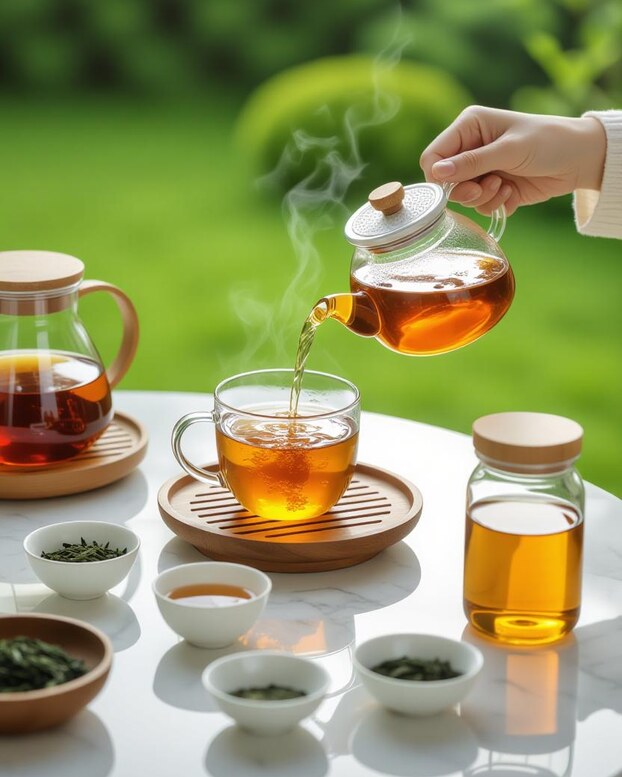
Have you gotten loose-leaf tea and are wondering how to brew loose leaf tea correctly? Indeed, congratulations, you are now a true tea lover and in the right place to learn how to do it properly! After reading this blog post, you will surely be able to brew most of the teas confidently.
Introduction: How to Brew Loose Leaf Tea
Tea is one of the oldest and most beloved drinks in the world, still enjoyed daily by millions across the world. While many people these days opt for tea bags for the convenience, many tea enthusiasts (like you and me!) often choose loose-leaf tea over tea bags for the flavor, aroma, and health benefits. However, brewing loose tea may seem intimidating at first, but with the right knowledge and tools, it can soon be a new daily ritual for you.
What We Are Going to Learn About Brewing Loose Leaf Tea
In today’s blog post, we will explore a complete guide to tea brewing, including the below.
- Various tools for tea brewing
- Hot & cold brewing, step-by-step methods
- Additional ingredients for tea
- Frequently asked questions, e.g., Re-brewing
By the end of this blog post, you will understand not only how to brew loose-leaf tea. Moreover, you will learn how to be a tea connoisseur! Then let’s jump right in.
Other Tea Posts You Want to Read?
Personally, I love tea, and I love sharing things with other people as much as tea. So here are some of my posts on tea to read, if you like.
7 Best Teas for Weight Loss | How I Drink in My Everyday Life
Best Green Tea to Buy | Picks for Health, Flavor, and Value
Green Tea Ingredients | 7 Types of Add-Ons for Flavors & Nutrients
Essential Tools to Brew Loose Leaf Tea
While you don’t need expensive equipment to brew tea, you need a few tools to brew it. Since we are brewing loose-leaf tea, you need something to strain the tea leaves! Other than that, the rest of the tools are the same basic tools you use for brewing any tea bags.

To strain tea leaves, you need one of these
You only need one of the options below, not all!
- A teapot with a strainer
- Cotton tea bag
- Disposable paper tea bags
- Tea infuser
- Sieve
Other tools you need to brew tea
- Measuring spoon or Scale: Ensures good leaf-to-water ratios
- Kettle or Pot: Electric kettles with temperature control are ideal, but you can still steep tea well with regular pots.
- Timer: Prevents over- or under-steeping. Indeed, perfect timing is important!
- Cup: Ceramic, porcelain, or heat-resistant glass to get the clean tea taste
Water-to-Tea Ratio (with Heat)
General Rule
One of the most important parts of making tea is adjusting the right water-to-tea ratio. Specifically, the rule of thumb is 1 teaspoon (about 2-3 grams) of tea leaves per 8 ounces or 240 ml of water. Overall, you need about 1 teaspoon of tea per 1 cup of water. If you have fluffy tea like raspberry leaves or chunky tea like whole hibiscus flowers, take a heaping teaspoon to measure.

To make it easy to remember: Use a teaspoon of tea for every cup of water.
Adjust to Your Liking
How much you want to add of the tea compared to the water also depends on the flavor of the tea. For instance, the raspberry leaves I mentioned are not only fluffy but also quite weak in flavor. So I like to add one heaping teaspoon or two teaspoons per cup when I make raspberry leaf tea.
Furthermore, many tea brands will have instructions on how much water you’ll need for the amount of tea leaves or a tea bag. So we can always follow them. But most importantly, as you enjoy tea, you will get to know your preferences and will be able to adjust it to your liking. For instance, I like strong tea, so I either steep my tea longer or have less water when making my tea.
Rough Measurement
- 1 tsp tea for 1 cup of water
- 1 tbsp tea for 3 cups of water (24 oz or 720 ml)
* Please note that you need more water for cold-brew. More on this later in the post about cold-brewing.
How to Brew Loose Leaf Tea Hot
1. Measure the tea
According to the water-to-tea ratio I explained above, prepare your tea and water. To make tea in the teapot, I have 3 cups of water with 1 tbsp of green tea leaves.
2. Heat the water
Water temperature is important in making great tea. Here are some of the measurements.
-
Green tea: 160–180°F (70–80°C)
-
White tea: 175–185°F (80–85°C)
-
Oolong tea: 185–205°F (85–96°C)
-
Black tea: 200–212°F (93–100°C)
-
Pu-erh tea: 205–212°F (96–100°C)
-
Herbal infusions: 200–212°F (93–100°C)*
You can precisely follow the temperature guideline if you have electric kettles.
* Depending on the herbal tea, you might be able to use lower temperatures. Some herbal infusions work even better as cold brews! More on this below.
Too Hot Water = Bitterness
If you don’t have an electric kettle, make sure to wait for a few minutes after your water has boiled and then pour it over tea that you want to avoid tasting bitter, such as green tea or white tea. If you use boiling water straight on some of these delicate teas, it can result in bitterness in the tea that overpowers the real taste of the tea.
Too Cool Water = Weak Flavor
On the other hand, if you use water that is not as hot, you might have a very weak flavor to the tea. For some herbal teas like chamomile, you’d really want to pour boiling (or straight from boiling) water to steep the tea. That brings out all the flavors and colors of the chamomile tea.
3. Rinse (Optional)
Some teas are dried in the open air, which means they can have some dust or other impurities. In Chinese culture, the tea is often steeped for about 5-10 seconds with some hot water, and the first water is discarded. This removes any impurities it might have and makes the tea leaves ready for brewing.
I like to quickly rinse most of the teas with cold water. This also removes any small tea particles from the tea, which makes it a cleaner tea when using loose tea strainers.
4. Steep the Tea
If you are using a teapot with a strainer or tea infuser, simply put some tea in. If you are using a cotton tea bag or paper tea bags, insert some tea inside the bag. Boil water and pour the hot water over the tea.
You can also simply make tea and then sieve the tea using a sieve. In that case, you can add tea to the hot water, then sieve the tea before serving.
Here are some general timings for the teas.
-
Green tea: 1–3 minutes
-
White tea: 3–5 minutes
-
Oolong tea: 3–5 minutes
-
Black tea: 3–5 minutes
-
Pu-erh tea: 2–4 minutes (multiple infusions possible)
-
Herbal teas: 5–7 minutes
If you prefer a lighter flavor, steep for a shorter time. If you like a stronger flavor, wait longer for a stronger brew.

5. Enjoy!
Now you are ready to enjoy the tea. I like to hold the teacup and feel the warmth. It’s something that I learned from Japanese tea culture. You hold the teacup with two hands and feel the warmth, look at the tea, smell the tea, and sip. It’s a great way to be in the moment and really enjoy the tea.
You can also add some other ingredients to the tea, if you like. You can read more about it down below.
But first, let me tell you a little about how to cold-brew teas!
How to Cold Brew Loose Leaf Tea
While brewing tea with hot water to extract flavor is the most common method, cold-brewing has gained popularity in recent years for its ease of making and smooth flavor. It’s especially good in the warmer season!
How Cold Brewing Works
Cold-brewing extracts flavor mildly without using energy (heat); it needs time. The cold-brew method lets you put tea and water and keep it in a fridge or a cool place for a few hours, extracting flavors and nutrients slowly and gently.
Many popular teas contain compounds like caffeine, catechins, and tannins, which can taste bitter. Hot water extracts most of these quickly. However, you get less of this from cold-brewing your tea. The result is a mild flavor, and you can also get some of the nutrients that are heat-sensitive, such as vitamin C, from some teas.
Water-to-Tea Ratio (Cold Brew Method)
While you generally need 1 teaspoon of loose-leaf tea per 1 cup of water to brew tea, you need more than that to extract more flavors from cold brew. You’ll need about 1 heaping teaspoon of loose-leaf tea or 2 teaspoons per 8 ounces (240 ml) of cold water.

You’d need a bit more tea for water to cold brew than brewing with hot water.
Rough Measurement for Cold Brew
- 1.5-2 tsp tea for 1 cup of water
- 1.5-2 tbsp tea for 3 cups of water (24 oz or 720 ml)
1. Measure the tea
According to the measurement above, prepare your tea and the water. As the cold brew takes a long time, I recommend making a batch of cold brew for you to drink throughout the day. I like to make a 1 L (33.8 oz) bottle of cold brew tea the day before.
2. Add water
Add lukewarm to cold water into a bottle or a jar with tea.

Then you just steep overnight, and let the time do its magic!
3. Steep overnight
Depending on the tea, you need a shorter time to extract the flavors, such as with green tea or hibiscus tea. However, most other teas need about 8 hours or longer, so I recommend just leaving them overnight in the fridge.
I like to make the cold-brew tea in the evening or at night before going to bed. I steep it in the fridge to keep it fresh overnight, and voila! It’s ready to be enjoyed at any time the next day.

Strain, add ice if you will, and enjoy!
4. Strain and serve
You will see how beautiful the color and the scent of the cold-brew tea are. Strain out the tea leaves and enjoy your cold brew over ice.
Additional Ingredients to Brew Loose Leaf Tea With
Do you want to know how to make your tea taste better or enjoy it in a different way? Well, try adding some of these ingredients.
- Milk: If you find your tea too bitter, add some milk! My favorite in tea is oat milk.
- Sweeteners: When I want to make a drink out of my tea, I add sweeteners like date syrup.
- Citrus fruits: I like adding some lemon juice to cold-brew teas. Some slices of orange or citrus fruits, brewed hot, can make the tea smell so wonderful!
- Spices: These work especially well with black tea, see masala chai recipe, for instance.
- Herbs & Flowers: Add some mint or lavender to your tea. These are very strongly scented, so choose one and add a little to support the main tea.
- Berries: Both fresh fruits and dried fruits work well! These add nice freshness and tang.
FAQs: How to Brew Loose Leaf Tea
Q. Can I rebrew my tea?
You can do multiple infusions, especially for high-quality loose-leaf tea. Oolong and Pu-erh teas are traditionally steeped many times. I recommend rebrewing your tea twice or three times at most, but not more than that. The flavors will get lighter every time you rebrew until there is essentially nothing left! Also, with teas that have caffeine, such as green tea, black tea, oolong, and white tea, the most caffeine will be extracted in the first brew. If you are sensitive to caffeine, getting the second brew of these teas could work very well.
To re-brew, simply steep the same leaves with the same amount of water as before. Slightly increase the time for the second infusion, or the third if you will.
Q. Does water quality have an impact on the tea?
Yes, it certainly does! If you think about it, tea is basically water. So the quality of the water has a huge impact on the final flavor and taste of the tea. If you could, I recommend using clean water. Depending on the part of the world you live in, tap water in your region might have chlorine or lime. In that case, use filtered water if possible.
Q. What is the difference between cold brew and iced tea?
Great question! I can see that it can be confusing. Here’s the difference.
- Cold brew: Made by steeping tea in cold water for a long period of time.
- Iced tea: Hot-brewed, then chilled with ice before serving.
Conclusion: Brew Loose Leaf Tea Your Way
To brew tea can feel daunting in the beginning, with all the knowledge about tea-to-water ratio, water temperatures, and equipment to get. But once you get the hang of it, it will come so naturally that you won’t even think about it! It becomes a daily ritual. It has become one for me. I am enjoying the moment so much that it almost feels like a meditation to make tea in the morning. It’s certainly a blessing! I hope you feel the same way about brewing your tea, and most importantly, enjoying it.
I’ll see you again in the next blog post. Until then, have a wonderful day!
Leave a Reply