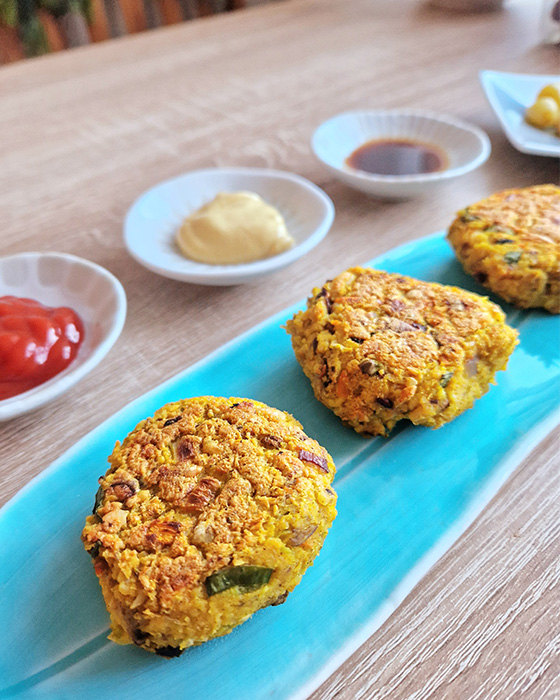
Hi! I’m so glad to have you here to cook the Korean meatball with you. This is one of the dishes that I frequently cook at home as a main dish because it is packed with protein and umami flavors. Also, the Lunar New Year is approaching. The New Year on a lunar calendar is one of the biggest holidays in Korea, and this meatball is one of the most popular dishes on the dinner table to have on the Lunar New Year in Korea. So you might be wondering what a Korean meatball is and what makes it different from other meatballs.
What is a Korean Meatball?
Korean meatballs are called Dongeurang-Teng (동그랑땡) in Korean and it is a type of jeon dish, which can be translated as “Korean pancake.” There are many different types of pancakes, but you can think of the Korean meatball to be a meat cake made by finely mincing meat and/or with tofu and other varieties of vegetables, aromatics, and seasoning. You can form it into small flat meatballs coat them with flour or rice flour and fry it.
It is one of the iconic foods for the Lunar New Year in Korea, together with tteokguk (savory Korean rice cake soup) and pajeon, which is a scallion pancake. I’ve written a blog post for each of these recipes, go check it out 😉
Korean Rice Cake Soup, Tteokguk | + Vegan Tteokguk Recipe
So if you’re looking for a delicious new recipe to have for your dinner, you should try Korean meatballs! These Korean meatballs are tender, savory, and packed with flavor and nutrients. Let’s go over the types of Korean meatballs briefly to learn about what we are making.
Types of Traditional Korean Meatball
There are several types of Korean meatballs. I make a lot of vegan versions of meat dishes, but this Korean meatball dish traditionally has vegan versions. So the recipe I’m going to share with you is a traditional Korean recipe, isn’t it wonderful?
1. Pork Korean Meatball
The Korean meatball made with mainly pork is probably the most common one. Ground pork with aromatics like onions and garlic is minced and added in, coated with some egg wash and flour, and then fried with some oil. However, even with this pork meatball, it is very common to mix tofu to make it more juicy and tender.
2. Tofu Korean Meatball
When the tofu is added to the Korean meatballs mixed with pork, it makes the meatball tender and moist inside. And some meatballs are made only with tofu instead of ground pork, which makes it vegan! This is also absolutely delicious, but I find this to be slightly too soft sometimes.
3. Soybean Korean Meatball
The last variety of Korean meatballs I want to share with you is the soybean Korean meatball! This is my favorite out of all the other meatball kinds. These are kind of like Korean falafel, in the sense that beans are blended with lots of other ingredients and fried. While the tofu Korean meatball can be too soft, this meatball made with soybeans has more structure in its shape. I love it that way.
Using Soybean in Korean Meatball Recipe
This is a very interesting subject – using soybean in Korean meatball recipe usually involves biji which is a soybean leftover after you make tofu. Some recipes use biji in Korean dishes. I love these recipes, but these days, people use ground soybean instead of tofu leftovers because it has more taste and nutrients. That is what I’m going to use in the recipe as well.
I love incorporating any kind of beans in my diet, but soybean is probably the bean I eat the most amount. Let me tell you about these very interesting health benefits of soybeans and why you should make this Korean meatball recipe with soybeans if you are not yet persuaded. 😄

Q. What kind of soybean should I use?
Great question! Although eating lots of plants including soybeans is a great idea, if you want to know the type of soybeans you want to know, I might be able to help you. I usually buy organic non-GMO soybeans. It’s not just about the danger of genetically modified food per se, but more so because of the pesticide residue. There has been research that regular GMO soybeans have significantly higher pesticide residue than organic non-GMO soybeans. So here’s what I would get if I were in America, the organic non-GMO and USA-grown. If you live in the USA this would be a healthy, organic, and local support!
More on GMO and Pesticides
If you are interested in this GMO and its relation to pesticides topic, here’s the video by Dr. Greger from the Nutrition Facts Organization.
Soybean Health Benefits
1. Promotes Hair Growth
In population studies, they found that males drinking soy beverages every week were associated with 62 percent lower chances of moderate to severe hair loss. There was also another randomized double-blind, placebo-controlled study of compounds found in hot peppers and soy called isoflavones showing much higher hair growth! Hmm, I never thought about it but maybe this is why many Koreans have long luscious hair.
2. Cardiovascular and Kidney Health
In this study Cardiovascular and renal benefits of dry bean and soybean intake, it says “Studies show that dry bean intake has the potential to decrease serum cholesterol concentrations, improve many aspects of the diabetic state, and provide metabolic benefits that aid in weight control.” There seem to be many unique health benefits you can expect from eating soybeans. Well, well, well… Follow this Korean meatball recipe with soybeans that I’m about to share with you to have a healthy heart and kidney for yourself and your family!
Korean Meatball Recipe | Traditionally Vegan with Soybeans


Vegan Korean Meatball Recipe
Ingredients
Method
- Soak the dried soybeans overnight or for longer than 8 hours. It will become more than double in size.
- Into a pot, add water and the soybeans. Bring it to a boil and cook the soybeans for 20 minutes.
- Dice carrots, green onions, onions, and mushrooms or put them in the food processor. You may dice the shiitake mushrooms into bigger pieces if you want texture.
- Using a food processor, blend the cooked soybeans roughly. You want some coarse texture, not puree.
- In a bowl, mix all the ingredients including the seasoning ingredients.

- Hit a pan and coat the surface with some toasted sesame oil.
- Make the meatballs into a flat meatball shape and cook them in the pan.

- Cook for about 5-10 minutes on medium heat for each side.
- Depending on your preference, you can serve it with ketchup, honey mustard, or soy sauce. Enjoy!
Tips for Korean Meatball Recipe
1. Rice Flour for Crunch
In this rice flour recipe, I shared with you how you can use rice flour as a coating for fritters to create a crispy outer layer. Instead of using starch that has no fiber or little nutrients, use rice flour instead in your batter or recipe to create that beautiful crunch on the outside. Read more about rice flour and what you can do with it on my blog post here. I like to use organic brown rice in my recipe for extra crunch and nutrients like Ava Farms organic brown rice flour.
Rice Flour Recipes | How to Use It and Korean Recipes to Try
2. Additional Vegetable Ingredients
The most common vegetable ingredients in the Korean meatball recipe are carrots, shiitake mushrooms, onions, and garlic. But some of the other common ingredients include squash and red or green chili for some spiciness and colors. You can also use some chopped chives instead of green onions like I did here. Or, you could opt out of all the other vegetable ingredients and just fry the cooked ground soybeans to make it very simple.
3. Bake if You Like
You can bake it or pan-fry it with a little oil if you like. I usually like to cook it in a pan with very little oil so it doesn’t stick to the pan and can have a slightly crispy outer layer, but I don’t want it to be soaked in oil. Just like falafel that you fry in oil in a traditional recipe, but many people like to bake it in the oven – you can do the same with the Koean meatballs.
4. Pair It with Many Condiments
Traditionally, this was eaten by dipping it in soy sauce or a dumpling sauce. But nowadays, people like to pair it with ketchup or honey mustard. My husband likes to eat it with ketchup! I think this Korean meatball tastes amazing with honey mustard, so I hope you give that a shot too. But you can pair it with any kind of condiment like barbeque sauce if you like.
Summary of Korean Meatball Recipe
I hope you enjoyed this post and give this Korean meatball recipe a try! This wonderful dish is packed with amazing plant power and protein, mixed with various ingredients such as soy sauce, garlic, ginger, scallions, and mushrooms. Shaping it into a slightly flat meatball and cooking it in different cooking methods as you like, such as frying, pan-frying, or baking it with little to no oil. Let me know how you enjoyed it. Happy cooking!
Affiliate Disclosure: As an Amazon Associate, I may earn from qualifying purchases at no additional cost to you if you choose to purchase the recommended product. The support allows me to research and continue working to provide the best information for you. Please rest assured that I only give my honest opinions and recommendations.
Leave a Reply